In today’s hyper-competitive marketplace, integrating modern technology is no longer a luxury reserved for tech giants; it is an absolute necessity for survival and growth. Small and mid-sized enterprises across all sectors must actively leverage digital tools to optimize workflows, safeguard investments, and build resilient operational foundations. Whether managing a logistics fleet, expanding a physical corporate office, or orchestrating brick-and-mortar retail footprints, the strategic deployment of hardware, cloud software, and automation tools dictates long-term scalability.
Advancing your business requires looking beyond basic software solutions. It demands a holistic re-engineering of your operational environment, protecting your intellectual and physical capital while optimizing everyday workflows. This in-depth blueprint provides actionable strategies to modernize your IT frameworks, secure your tangible investments, streamline dynamic job sites, and project an authoritative market presence using cutting-edge corporate assets.
1. Hardening Local Infrastructure and Eliminating IT Downtime
Deploying Continuous System Diagnostics and Maintaining Mission-Critical Hardware
Your corporate network and local workstations serve as the primary engine for daily communication, financial transactions, and data management. Allowing your desktop terminals, local servers, or network routers to operate without routine diagnostic oversight invites catastrophic system failures. When hardware bottlenecks occur, internal productivity grinds to a sudden halt, resulting in lost revenue and fractured client relationships.
To maintain a resilient operational baseline, organizations must move away from reactive technical fixes and embrace predictive maintenance schedules. Partnering with enterprise-grade computer repairs specialists ensures that your hardware is routinely audited, internal thermal pastes are refreshed, and hard drives are monitored for early signs of failure. Establishing a structured hardware lifecycle management program eliminates unexpected operational disruptions.
-
Implement Automated Remote Monitoring and Management (RMM): Use specialized software agents to track CPU temperatures, memory bottlenecks, and storage health across all employee workstations in real time.
-
Enforce Strict Hardware Replacement Lifecycles: Retire corporate laptops and local network switches every three to four years to prevent legacy hardware limits from slowing down modern business applications.
2. Implementing Next-Generation Asset Protection and Facility Security
Utilizing Cloud-Managed Access Networks and Hardening Corporate Risk Mitigation
A company’s longevity relies heavily on its ability to safeguard its physical inventory, proprietary machinery, and corporate data from external threats and internal vulnerabilities. Modern risk mitigation requires moving past simple manual locks and paper logs. Advanced corporate security leverages automated cloud-managed ecosystems to monitor high-value zones around the clock.
Implementing comprehensive asset protection protocols involves merging biometric access controls with AI-driven surveillance tools. These integrated frameworks track exactly who enters restricted inventory zones or data server rooms, sending instant mobile notifications if unauthorized access is attempted. You can create asset protection by building an unshakeable digital perimeter around your physical facilities, you protect your capital investments and maintain strict compliance with corporate insurance mandates.
-
Transition to Biometric and Mobile Access Credentials: Replace vulnerable physical keys and swipe cards with encrypted mobile device access or fingerprint scanners to completely eliminate key duplication risks.
-
Deploy AI-Powered Cloud Surveillance Arrays: Install high-definition security cameras featuring intelligent line-crossing detection to instantly alert management if an intruder breaches high-value perimeters after hours.
3. Engineering Smarter Project Facilities and On-Site Logistics
Streamlining Temporary Job Site Infrastructure and Managing Construction Solid Waste Logistics
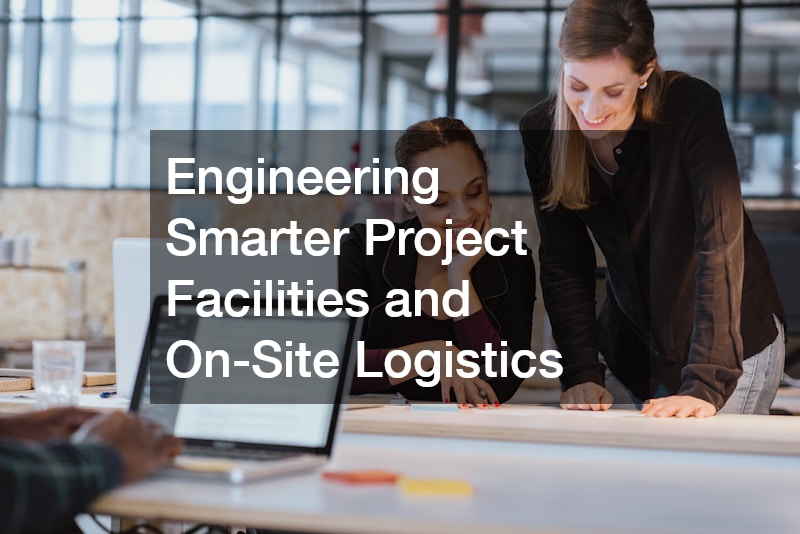
When businesses expand their physical footprints through capital construction projects or manage active field logistics, maintaining clean, well-organized job sites is critical to operational speed. Disorganized work environments waste time and introduce immediate safety hazards. Advanced asset tracking and logistics software help project managers coordinate field infrastructure with clockwork precision.
For large-scale structural expansions, utilizing an on-demand dumpster rental service allows you to keep walking pathways fully clear of hazardous construction debris, discarded packaging, and raw material waste. Integrating automated trash logistics ensures that containers are swapped out exactly when they reach capacity, preventing workflow delays. Furthermore, modern construction project management systems allow teams to log structural milestones dynamically from the field, keeping stakeholders perfectly aligned.
-
Integrate GPS-Tracked Waste Disposal Operations: Use cloud-connected scheduling platforms to coordinate precise container drop-offs and pickups, keeping your physical build sites fully operational and compliant with local municipal codes.
-
Utilize Ruggedized Mobile Workstations for Field Managers: Supply on-site foremen with military-grade, cellular-connected tablets to update blueprints, review code compliance checklists, and sign off on material deliveries instantly.
4. Maximizing On-Site Workforce Efficiency and Welfare Mechanics
Optimizing Field Work Environments and Utilizing Smart Hydration Solutions
Maintaining peak workforce performance during demanding physical operations or outdoor corporate events requires close attention to basic workplace comfort and resource logistics. When personnel are forced to navigate poorly managed job sites, fatigue sets in quickly, leading to drops in output and increases in human error. Modern business leaders utilize data-driven scheduling to provide optimal field conditions.
To keep large installation teams comfortable during prolonged field deployments, deploying a fleet of modern, fully sanitized porta johns ensures your workforce has clean facilities without wasting travel time. Additionally, outfitting field units with durable, insulated team water bottles promotes proper hydration while eliminating single-use plastic waste on-site. Tracking climate conditions and field comfort via data-driven project management apps allows supervisors to schedule optimal rest periods, protecting worker health and keeping projects on track.
-
Deploy Smart Fleet Comfort Enclosures: Place high-capacity, climate-controlled temporary break structures on long-term project sites to give employees an area to recover from extreme heat or cold.
-
Implement Mobile Hydration Tracking Applications: Use internal communication apps to send automated alerts reminding field workers to take mandatory hydration breaks when regional heat indexes breach safety thresholds.
5. Upgrading Structural Framework Technologies and General Contracting Logistics
Deploying Laser-Guided Precision Tools and Optimizing Building Shell Development
The structural shell of a commercial property dictates its long-term durability, insulation efficiency, and safety profile. When business operations demand the development of new warehouses, corporate offices, or retail showrooms, construction execution must match exact architectural specifications. Traditional manual measuring leaves too much room for human error, resulting in costly retrofits and structural delays.
Leveraging specialized commercial framing services that utilize automated, laser-guided leveling equipment guarantees that your facility’s structural bones are perfectly plumb and square. Modern framing crews use advanced building information modeling (BIM) software to pre-cut structural studs and steel trusses with incredible precision. This advanced approach speeds up on-site assembly, lowers material waste expenses, and sets a flawless baseline for downstream drywall and utility installations.
-
Mandate 3D Building Information Modeling (BIM) Alignment: Require construction teams to cross-reference physical structural framing progress against digital 3D architectural models to catch utility clearance conflicts early.
-
Utilize High-Strength Engineered Structural Lumbers: Invest in advanced composite timber beams and heavy-gauge galvanized steel studs to maximize clear-span interior floor spaces, giving your business a highly flexible indoor layout.
6. Minimizing Biological Liabilities and Commercial Health Risks
Implementing Advanced Pest Exclusion Systems and Maintaining Regulatory Cleanliness
A clean, sanitary facility is foundational to employee health, client confidence, and regulatory compliance. Commercial properties, especially food distribution spaces, retail outlets, and manufacturing centers, are constantly vulnerable to pest pressures. If biological vectors breach your inventory storage, they can rapidly ruin raw materials, destroy electrical wiring, and trigger severe health department penalties.
To permanently insulate your operations from biological risks, deploying a professional rodent pest removal plan focused on structural exclusion is essential. Modern pest management relies on smart, connected bait stations and digital thermal cameras to track pest activity inside wall voids. Eliminating access points and keeping a detailed digital record of your facility’s pest defenses protects your inventory investments from biological contamination.
-
Install Automated IoT-Connected Pest Monitoring Arrays: Use wireless pest sensors that send instant cloud notifications to your maintenance dashboard the moment pest activity is detected along interior foundation lines.
-
Execute Comprehensive Structural Foundation Sealing: Use industrial-grade steel mesh, specialized expanding polyurethanes, and heavy-duty sweeps to close off every exterior gap greater than one-quarter of an inch.
7. Modernizing Facility Life-Safety Systems and Early Detection Networks
Integrating Smart Sensor Arrays and Automating Emergency Communication Networks
Protecting your workforce and capital investments from fire hazards requires advanced, reliable detection technology. A standard battery-operated smoke detector is entirely insufficient for commercial properties. Modern corporate safety plans require integrated, code-compliant detection networks that communicate instantly with first responders during an emergency.
Upgrading your property with an enterprise-grade fire alarm network ensures that if combustion occurs, life-saving measures are triggered automatically. Modern life-safety systems feature intelligent addressable sensors that tell emergency teams the exact room where a hazard is located. Connecting these networks with automated magnetic door releases stops smoke from spreading, giving your employees a safe, clear evacuation window.
-
Deploy Intelligent Addressable Smoke and Heat Sensors: Install advanced multi-criteria sensors that analyze both particulate matter and rapid temperature spikes to minimize disruptive false alarms while ensuring immediate detection.
-
Integrate Automated Mass Notification Communication Software: Sync your building’s life-safety panel with internal messaging systems to instantly push evacuation paths to employee smartphones during an emergency.
8. Engineering Authoritative Visual Branding and Brand Identity

Deploying High-Visibility Architectural Displays and Leveraging Modern Sign Materials
A company’s exterior branding serves as its primary physical introduction to potential customers, investors, and talent. Faded, poorly lit, or generic facility signs send a subtle message of operational neglect. To capture meaningful market share in dense urban corridors, your physical real estate must project an authoritative, highly professional image around the clock.
Investing in customized, illuminated business signs transforms your property into a powerful marketing tool. Modern commercial signage utilizes CNC-routed channel lettering, high-efficiency internal LED matrix arrays, and architectural finishes designed to withstand years of harsh weather. Creating a clear visual anchor along busy roadways reinforces your brand’s presence and makes it easy for clients to find your front doors.
-
Utilize Internally Illuminated LED Channel Lettering: Deploy programmable, low-voltage LED sign architectures to ensure your corporate logo stays fully visible from long distances at night.
-
Select Marine-Grade Aluminum and UV-Stable Polymer Substrates: Choose signage built with rugged, high-performance materials to prevent rust bleeding, color fading, and cracking over the years of sun exposure.
9. Optimizing Directional Wayfinding and On-Site Customer Routing
Maximizing Local Visibility with Precision Graphics and Clear Facility Navigation
Once a client or delivery driver arrives at your property, your next operational objective is guiding them safely to the correct entrance or loading dock. Disorganized facility wayfinding causes parking lot bottlenecks, delays logistics shipments, and frustrates your visitors. Modern wayfinding relies on a clean visual layout that balances marketing impact with clear informational guidance.
Commissioning an architectural-grade custom sign matrix allows you to cleanly direct visitors toward customer parking, loading zones, and corporate offices. Using consistent typography, brand colors, and clear reflective finishes ensures that your navigational signage looks incredibly professional. This small detail projects a highly organized operational image and ensures your property handles traffic safely and efficiently.
-
Deploy High-Reflectivity Traffic and Directional Signage: Use specialized retroreflective vinyl sheeting on all outdoor directional sign boards to ensure maximum readability during rainy or nighttime conditions.
-
Maintain Complete Visual Unity Across All Facility Graphics: Ensure that every directory board, delivery marker, and room label utilizes the exact same corporate fonts and brand colors to present a polished, cohesive identity.
Advancing your business using modern technology requires a well-rounded strategy that balances digital innovation with robust, real-world operational security. By focusing your attention on critical, high-impact improvements, such as maintaining local computer hardware, deploying cloud-managed asset protection networks, setting up smart field logistics, and investing in authoritative exterior signage, you build a powerful shield around your commercial investments. Taking this organized, analytical approach to your company’s infrastructure removes guesswork from daily management and gives your team the perfect environment to scale safely.
Ultimately, your long-term success relies on your willingness to systematically modernize your workplace and stay ahead of technical obsolescence. Partnering with certified technical specialists, professional site services, and premium branding houses ensures that your business infrastructure remains modern, compliant, and highly competitive. Commit to absolute diagnostic precision, maintain an unshakeable culture of safety compliance, and deploy streamlined facility assets; by doing so, you will ensure your enterprise crosses this modern frontier safely, arriving at your next chapter with your assets protected, your brand elevated, and your profits secure.
Additionally, true modernization requires a willingness to continuously audit your operational vulnerabilities and adapt to shifting market landscape dynamics. Embracing technological expansion means transforming your organization from a legacy operation into a fluid, data-driven entity capable of pivoting through unexpected economic shifts. By implementing integrated hardware networks, automated perimeter defenses, and optimized physical facilities, you create a seamless ecosystem that fosters rapid growth while shielding your hard-earned investments from liability. Ultimately, the future belongs to enterprises that actively merge technological precision with physical infrastructure, transforming their daily operations into an unshakeable launchpad for sustained market leadership.