Metal fabrication refers to the process of creating metal structures by cutting, bending, and assembling. It plays a crucial role in the construction, automotive, and aerospace industries, among many others. Metal fabrication provides the foundation for manufacturing durable goods and creates custom solutions tailored to specific project needs.
As technology evolves, the processes and outcomes in metal fabrication continue to improve, offering greater accuracy and versatility. This article explores key aspects of metal fabrication that ensure quality and safety in work practices.
The significance of metal fabrication is evident in how it supports modern infrastructure development. Skyscrapers, bridges, and various transportation systems demonstrate the capabilities of refined and sophisticated metalworking methods. Without the benefits of metal fabrication, innovations in engineering and construction would be limited. The diversity of metals, such as steel, aluminum, and iron, offers flexibility to meet specific stress, weight, and environmental demands. Maintaining a high standard in metalwork translates to enhanced performance in various applications.
1. What are the key tools required for metal fabrication?
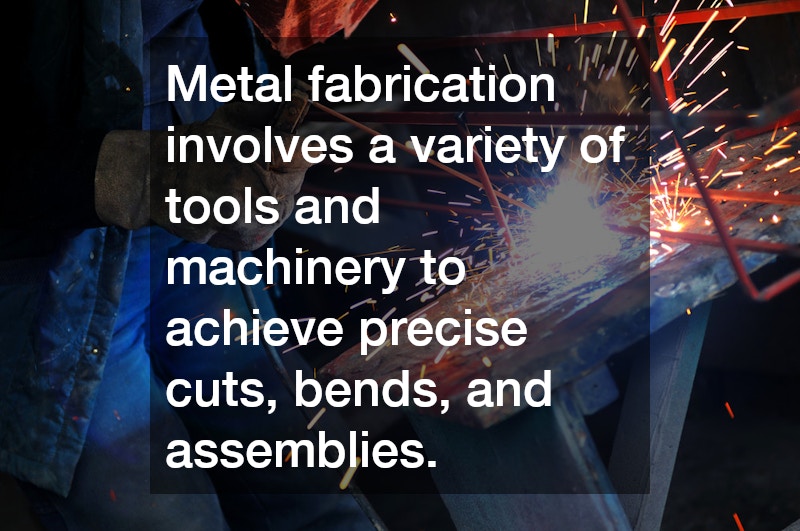
Metal fabrication involves a variety of tools and machinery to achieve precise cuts, bends, and assemblies. One of the primary tools is the bandsaw, used for making straight cuts in metal stock. Alongside, an angle grinder is essential for grinding down welds and rough edges, providing a smooth finish. The drill press is vital for creating accurate holes in metal sheets or bars, allowing for proper fitting and fasteners. Modern fabrication shops may also employ CNC machines for high accuracy and efficient mass production of metal components.
The importance of having the right tools cannot be overstated in metal fabrication. For example, using a plasma cutter can greatly increase the speed at which metals are cut, offering significant time savings in larger projects. Hammers and mallets of varying sizes shape metalwork into the desired form without compromising structural integrity. The welding equipment is essential for joining pieces, and multiple types of welders (MIG, TIG, Arc) exist for different applications. Each tool serves a unique purpose and contributes to the successful execution of metal fabrication projects.
2. How to ensure precision in metal fabrication?
Precision is paramount in metal fabrication, as it impacts the assembly’s structural integrity and functionality. To achieve such precision, fabricators rely on strategic planning and the use of CNC machinery. These machines leverage computer programming to dictate cutting and shaping operations, ensuring exact dimensions and consistent results. Manual measurements can pave the way for human error, which CNC operations significantly reduce, providing accuracy to within microns. Consequently, investment in technology, like CNC machinery, is justified by the enhanced precision it offers.
Measurement tools such as calipers and micrometers play a vital role in ensuring precision in metal fabrication. These instruments offer precise measurements, critical when handling complex designs and metalwork that necessitate specific tolerances. For example, laser measurement technology can inspect parts for deviations, allowing necessary adjustments to be made before final assembly. Consistent quality checks throughout the process help maintain high accuracy levels, reducing the chances of rework or scrapping completed sections. Seamless integration of these measuring devices into fabrication checkpoints makes for a strong quality assurance system.
3. What safety measures should be taken during metal fabrication?
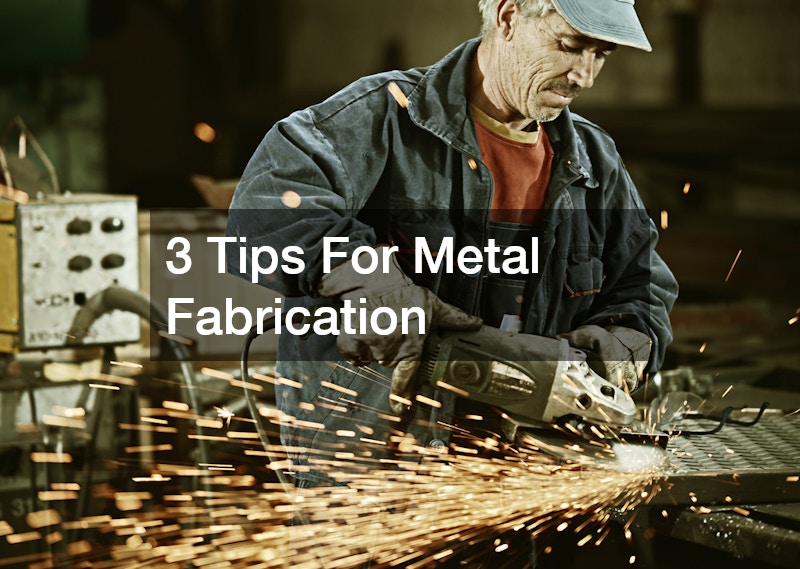
Metal fabrication shops prioritize safety practices to protect workers from potential hazards. Employees should be equipped with personal protective equipment (PPE), including gloves, helmets, goggles, and protective clothing. These items serve to minimize injury from sharp edges, sparks, and intense heat commonly associated with metalwork. Another critical safety practice is strict adherence to shop protocols regarding equipment handling and operation. Proper training and continuous safety drills help reinforce safe work habits and identify potential hazards before they result in accidents.
Environmental controls, such as proper ventilation and dust collection systems, are crucial to maintaining a safe fabrication environment. Metalworking processes often generate fumes, particulate matter, and off-gases, which can adversely impact respiratory health if inhaled. Therefore, ensuring adequate airflow and filtration systems minimizes exposure to these harmful substances. Similarly, maintaining clean workspaces reduces the risk of trips and falls, preventing injury from unintended contacts with sharp or heavy metal pieces. Safety is a continuous commitment that encompasses both personal and environmental precautions.
Moreover, clear signage and safety markings throughout metal fabrication facilities provide constant reminders of potential dangers. Designated paths, emergency exits, and first-aid stations should be prominently marked and easily accessible. Advanced safety measures include automated systems for immediate shutdown in case of emergency, reducing human vulnerability. Regular equipment inspections and maintenance schedules ensure that machines function safely and without failure. By integrating safety into every aspect of metal fabrication, shops create an environment where productivity thrives without compromising worker well-being.
Ultimately, quality metal fabrication is a union of art and science, requiring a blend of creativity, technical acumen, and responsibility. The information shared in this article aims to enhance the reader’s appreciation and understanding of the essential practices that underlie this discipline. Whether applied to massive industrial structures or intricate consumer products, the principles of effective metal fabrication remain constant. Adopting these practices ensures safer workplaces, higher-quality outputs, and continued innovation in the field. Embracing these tenets ultimately empowers fabricators to produce work that stands the test of time, benefiting various industries and communities alike.